
Australian and New Zealand dive clubs are travelling further—and smarter—than ever before. With new flight routes out of Sydney and Brisbane, expanding liveaboard itineraries, and a growing appetite for unique, experience-driven trips, 2026 is shaping up to be a standout year for group dive travel.
If your club is planning its next overseas adventure, these six destinations are generating serious buzz-combining accessibility with unforgettable diving.
1. Palau
Micronesia’s best-known icon is back on Aussie clubs’ radar thanks to direct flights from Brisbane with Qantas. Palau has long been one of the world’s great big-animal dive destinations, but improved access is putting it firmly back on the shortlist for Australian dive clubs.
From the legendary currents of Blue Corner to German Channel’s manta encounters, Palau delivers the kind of action-packed diving that fills trips quickly. Add WWII wrecks, dramatic walls, and it’s easy to see why clubs are looking at Palau as both a standalone trip and a gateway to wider Micronesian adventures.
Why dive clubs love it:
- Bucket-list drift dives with sharks, mantas and massive schools of fish
- Direct flights via Brisbane are making Palau easier to package for groups
- Works well as a headline destination or as inspiration to explore broader Micronesia
Best for: Clubs chasing BIG STUFF with easy access for price conscious travellers.

2. Micronesia (Yap, Pohnpei & Marshall Islands)
Now that you’ve re-discovered Palau… explore the other Micronesia hot spots before everyone else gets there. With direct routes to Palau putting Micronesia back on the map, savvy dive clubs are now looking beyond—to the less explored islands of Yap, Pohnpei and the Marshall Islands.
This is frontier diving with serious rewards:
- Yap: one of the world’s most reliable manta destinations
- Pohnpei: lush, untouched reefs and mysterious ancient ruins
- Marshall Islands: bucket-list WWII wreck diving and pristine reefs
Why dive clubs love it:
- Bikini Atoll is the ultimate bucket list dive destination for wreck lovers
- You’ll have Majuro Atoll’s accessible diving and vibrant coral gardens to yourself
- Kwajalein Atoll’s untouched reefs, deep drop offs and Prinz Eugen cruiser
Best for: Well-travelled clubs with a lust for rust, ready for something remote and different.

3. Mexico’s Cenotes (Yucatán Peninsula)
For Aussie dive clubs looking to mix things up, Mexico’s cenotes offer something totally unique—freshwater cavern and cave diving in crystal-clear conditions. Operators like Infinity2Diving have made cenote diving highly accessible for groups, with an onsite divers’ lodge, programs that cater to non-cave-certified divers, while also offering training pathways for those wanting to progress. For shops running photography courses, cenotes diving offers unique lighting challenges to master.
Why dive clubs love it:
- Excellent value for money (even with long-haul flights)
- Suitable for mixed-level groups (reef + cavern options)
- Other-worldly underwater scenery for photography enthusiasts
- Easy to combine with Cozumel reef diving
Best for: Clubs wanting a skills-focused trip with a difference and underwater photographers looking for that prize-winning shot!

4. Halmahera (Indonesia)
The “New Raja Ampat” — without the crowds. Raja Ampat has always been a bucket list destination for Aussie divers—but now attention is shifting to Halmahera, a remote region delivering Raja Ampat-level biodiversity with far fewer boats.
There are a few new resorts – still in th eprocess of surveying sites, and the region is increasingly featured on liveaboard itineraries. Liveaboards including Pindito, Seahorse, Ambai, Sea Safari 8, Coralia, Dewi Nusantara, Damai I & II and Malaillo are diverting to Halmahera to avoid the crowds. Just a short hop from Manado in North Sulawesi, Halmahera offers:
- Spectacular and untouched coral reefs – many still being surveyed
- Pelagic encounters in Patinti Strait and Pulau Tifore, famous for ‘tornadoes’ of barracuda and jacks
- Exceptional macro life and unique endemic species like the Halmahera walking shark
Why dive clubs love it:
- Relatively easy access from Australia and New Zealand via Bali or Manado
- Appeals to underwater photographers and experienced divers
- A fresh alternative for clubs that have “done” Raja Ampat
Best for: Clubs wanting exploration diving with enormous variety and incredible biodiversity.
5. Tonga
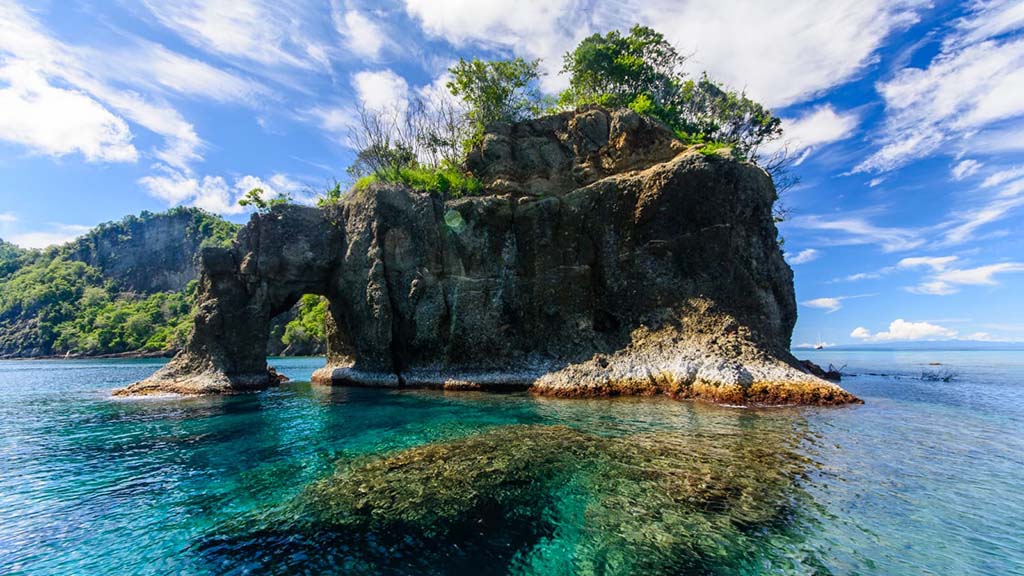
More than whales—an underrated dive destination close to home. Tonga is already popular for its humpback whale encounters, but many clubs are now discovering its excellent (and affordable) diving beyond whale season with operators . One of Tonga’s outstanding features is the amazing visibility most of the year, all the better for those wide-angle shots of its stunning caverns!
Diving in Vava’u and Ha’apai Ewith operators such as Ax-Factor Dive and Matafonua Lodge, expect to see healthy, uncrowded reefs, interesting topography and dramatic underwater caves and swim-throughs and the occasional wreck.
Why dive clubs love it:
- Short travel time from Australia and New Zealand
- Ideal for combining diving with whale swims (July–October)
- Relaxed pace—great for social club trips
- Strong cultural experience topside
Best for: Clubs wanting a laid-back trip with optional bucket-list whale encounters.

6. The Islands of Tahiti (French Polynesia)
Both Australia and New Zealand are now one direct flight away from some of the sharkiest dives on the planet. The Tuamotu Atolls – famous for pelagic action and one of the highest concentrations of grey reef sharks in the world – are now far easier to reach than ever before.
For divers, this is all about high-adrenaline drift diving in shark-filled passes. Rangiroa and Fakarava are legendary for their sheer biomass—expect schooling fish, strong currents, and dozens (sometimes hundreds) of sharks on a single dive.
Why dive clubs love it:
- Easy access from Sydney and Auckland, with same day connections to the Tuamotus.
- Ideal for clubs with Advanced Open Water divers and above
- Reliable big animal action—great for repeat trips
Best for: Clubs wanting a “wow-factor” trip with real bragging rights!

Why These Destinations Are Trending with Dive Clubs
Across all six destinations, the appeal comes down to a few key factors:
- Improved access from Australia and New Zealand. Direct and simplified flight routes are opening previously hard-to-reach destinations.
- Desire for less crowded diving. Clubs are actively seeking alternatives to busy, mainstream locations.
- Unique experiences. From shark aggregations to cenote caverns and whale encounters—these trips offer something memorable for every diver.
- Group-friendly logistics. Liveaboards, packaged dive programs, and flexible itineraries make planning easier for trip organisers.
Planning Tips for Dive Club Trips
- Book early: Group allocations (especially liveaboards) fill quickly
- Match destination to skill level: Some locations (Tahiti, Micronesia) suit more experienced divers
- Consider shoulder seasons: Better value and fewer crowds
- Work with a specialist: Group logistics, payments, and dive planning are much easier with expert support
Ready to Plan Your Next Club Trip?
Whether your club is chasing sharks in Tahiti, exploring cenotes in Mexico, or chartering a liveaboard in Halmahera, these destinations represent the next wave of dive travel for Australians and Kiwis.
If you’d like help building a custom group itinerary, pricing options, or suggested travel windows, contact the team at Diveplanit Travel, and we’ll tailor a dive trip for your club. Give us a call on AU 1800 607 913 NZ 0800 607 913 or email us! enquire@diveplanit.com
Related Dive Deals, Resorts / Liveaboards




Got a question? Need some help? Contact our friendly support team.


