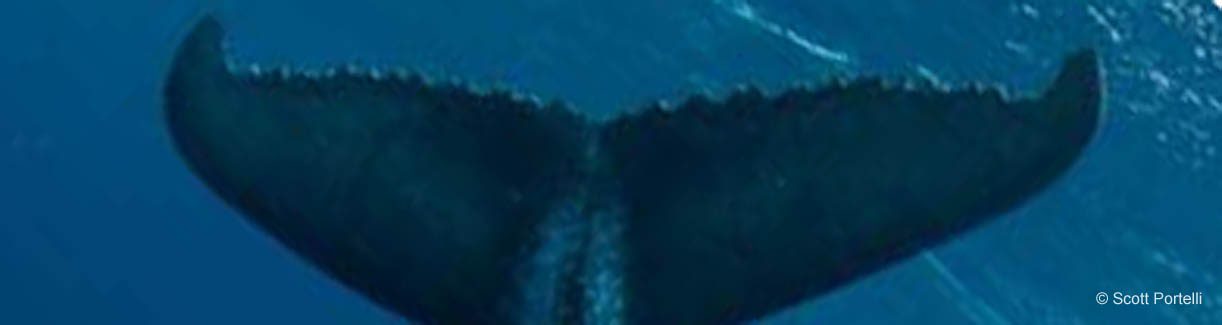


Tonga is known as one of the few places in the world where you can snorkel with humpback whales. These magnificent beasts pass through the islands between the months of July and October in order to mate and give birth. They then leave for their Antarctic feeding grounds.


In addition to humpback whales, divers can encounter manta rays, eagle rays, many shark species, and other diverse marine life in the area. The underwater geography is just as diverse as its marine life; with dive sites containing everything from coral gardens to caverns and vertical walls, Tonga truly has something for everyone.
Tonga is comprised of 169 islands located in the Pacific, directly south of Samoa. Stretching over 800 kilometers and with a total surface area of 750 km², only 96 of these islands are inhabited. Tongatapu is the country’s main island and where most of the inhabitants live. Tonga is also called the Friendly Islands because of its friendly reception toward Captain Cook during his first visit in 1773.
Why Dive in Tonga?
Diving in Tonga feels refreshingly different from more commercialised Pacific destinations. With limited liveaboards and small, locally run dive operations, the experience is personal, relaxed and uncrowded.
Highlights of diving in Tonga include:
- Excellent visibility (often 25–40+ metres)
- Warm water year-round (approx. 21–28°C)
- Volcanic formations, caves, arches and swim-throughs
- Healthy coral systems and diverse reef life
- Wreck diving and cavern diving opportunities
- Seasonal whale song heard underwater (July–October)
Best Time to Dive in Tonga
- Year-round: warm water, great visibility
- July–October: peak whale season – diving is complemented by whale songs and dedicated whale swim tours
While whales may bring you to Tonga, the diving is what keeps experienced divers talking. With historic wrecks, untouched reefs, dramatic caves and minimal crowds, Tonga delivers a raw, rewarding South Pacific dive experience – one that feels genuinely undiscovered.
Getting There
Fiji Airways is this is the only airline with regular arrivals (6 per week) and departures (4 per week). Other airlines may require a trip extension.
Though please note, we generally find the duration of our packaged tours to be long enough for most tourists to see the island. We like to say ‘Tonga is for travellers, while Fiji is for tourists’. Tonga does not have anything in the way of typical resorts or tours that tourists might be used to. If additional book-ended travel days are asked for, our recommendation is to organise these for Fiji.
The reefs of Tonga include thousands of fish species such as barracuda, butterflyfish, clownfish, and tuna. They also contain varieties of shellfish such as crabs and shrimp. The main draw for tourism on these islands is swimming with the humpback whales. Tonga is one of the only places in the world where divers can interact with and observe these magnificent creatures in the water. The best place to encounter humpback whales is at Hunga Magic, Vava’u.
Tonga’s reefs are some of the most unique and extensive coral environments that can be found in the central South Pacific area. With over 1,500 square kilometers of reef area containing both hard and soft corals, Tonga reefs ensure a beautiful and colorful dive. As 75% of Tonga’s islands are uninhabited, many of their reefs are left almost untouched by human activity.
Vava’u offers divers some exciting drift dives along walls and drop-offs. Here, divers can see the occasional white tip, blacktip, and Grey reef sharks. Macro life is also abundant here with nudibranchs, crabs, shrimps, and small fish. Most dive sites are a 20-minute boat ride away from the harbor and feature gorgonian fans as well as soft and hard coral gardens. The reefs are healthy, and visibility often exceeds 100 feet.
Here’s what the diving conditions look like in Tonga.
- Water Temperature: Water temperatures vary from 24C/75F to 28C/82F. Scuba diving, snorkeling, and free diving are year-round.
- Visibility: During the dry season, visibility is often 100’+ at the most popular dive sites.
- Weather: The warm season is from December to May, with temps in the mid-70s. The cool season is from May to December, with temps averaging 69F
Tonga has a tropical climate which is governed by a wet and a dry season. The wet season runs from December to April with average daytime temperatures reaching 30°C and nighttime temperatures dropping to 22°C. The dry season is between May to November with average daytime temperatures sitting at 27°C, falling to 20°C overnight.
We recommend taking light, casual clothing. However please be aware that the country’s culture and religion call for a more conservative dress code. Please consider this if you are planning on participating in above-water activities.
Currency: Tongan Pa’anga
Time Zone: GMT+13
Take normal travel precautions when eating and drinking – tap water is not safe to drink unless boiled or chemically treated. Drinking water is purified at major hotels and restaurants.
Region-by-Region Guide to Diving in Tonga
Vava’u — Tonga’s Diving Hub
Vava’u is the most established diving region in Tonga and home to the widest range of dive sites. Dozens of sheltered islands create calm conditions, while outer reefs offer more adventurous profiles. Here are Vava’u’s signature dive sites:
Clan McWilliam Wreck: A historic steamship resting upright in shallow water, now fully colonised by corals and reef fish.
- What you’ll see: turtles, schooling fish, soft corals
- Best for: intermediate divers, wreck enthusiasts, photographers
Swallows Cave: A light-filled cavern dive with schools of fish swirling through sunbeams.
- What you’ll see: thousands of reef fish, dramatic lighting
- Best for: beginners to advanced divers
China Town: A colourful reef with dense coral growth and macro life.
- What you’ll see: clownfish, anemones, nudibranchs
- Best for: reef lovers, macro photographers
Hunga Magic: An outer reef site occasionally visited by humpback whales during migration.
- What you’ll see: rays, large coral bommies, whale song in season
- Best for: advanced divers seeking big-ocean experiences
Ha’apai — Remote & Untouched
The Ha’apai island group offers some of Tonga’s most pristine and least-dived reefs. Fewer operators and limited access mean reefs here remain exceptionally healthy. Signature Dive Sites in Ha’apai:
Arch of Ofalanga: A dramatic coral archway and cavern system.
- What you’ll see: reef sharks, rays, lobsters
- Best for: advanced divers comfortable with overhead environments
Hot Spring Cave: A rare hydrothermal cavern dive with noticeably warmer water.
- What you’ll see: sponges, corals, volcanic formations
- Best for: experienced adventure divers
Tongatapu & ‘Eua — Southern Highlights
While less well known for diving, Tongatapu and nearby ‘Eua reward divers who venture south. Signature dive sites:
Cathedral Cave (ʻEua): One of the South Pacific’s largest underwater caves.
- What you’ll see: massive caverns, schooling fish, coral gardens
- Best for: advanced divers
Outer Reefs (Tongatapu): Wide reef systems with drop-offs and pelagic encounters.
- What you’ll see: barracuda, trevally, rays, reef sharks
- Best for: intermediate to advanced divers