
Diving French Polynesia delivers some of the most exhilarating scuba experiences in the South Pacific. Spread across a vast ocean territory, this destination is best known for its drift dives through lagoon passes, shark encounters and seasonal marine events.
From the famous atolls of the Tuamotu Islands to the remote Marquesas and the accessible reefs of the Society Islands, scuba diving in French Polynesia offers a diverse mix of high-energy diving and unforgettable big-animal encounters.
Why Dive in French Polynesia?
French Polynesia is not your typical coral reef destination. Instead, it’s defined by strong currents, nutrient-rich waters and abundant pelagic life. Key reasons divers choose French Polynesia:
- World-class shark diving (grey reef sharks, blacktips, hammerheads)
- Drift diving through lagoon passes (“passes”)
- Seasonal events like grouper spawning
- Humpback whale migration (July–October)
- Excellent visibility, often 30+ metres
- Healthy reefs and large schools of fish
For divers searching diving French Polynesia, the appeal lies in big fish, action and raw ocean energy rather than calm, sheltered reef diving.

Tuamotu Islands — The Heart of Diving in French Polynesia
The Tuamotu Islands are the epicentre of scuba diving in French Polynesia, famous for their atolls and fast-moving passes where ocean water flows into lagoons, concentrating marine life. Signature Dive sites include:
Fakarava (UNESCO Biosphere Reserve)
One of the best-known dive destinations in the Pacific, combining biodiversity with spectacular shark encounters.
What you’ll see: large schools of fish, grey reef sharks, barracuda, groupers
Best for: intermediate to advanced divers
Fakarava South Pass (Grouper Spawning Site)
A globally recognised marine event where thousands of groupers gather to spawn.
What you’ll see: dense spawning aggregations, large numbers of hunting sharks
Best for: experienced divers (seasonal, typically June–July)

Rangiroa (Tiputa Pass)
One of the most famous drift dives in the world.
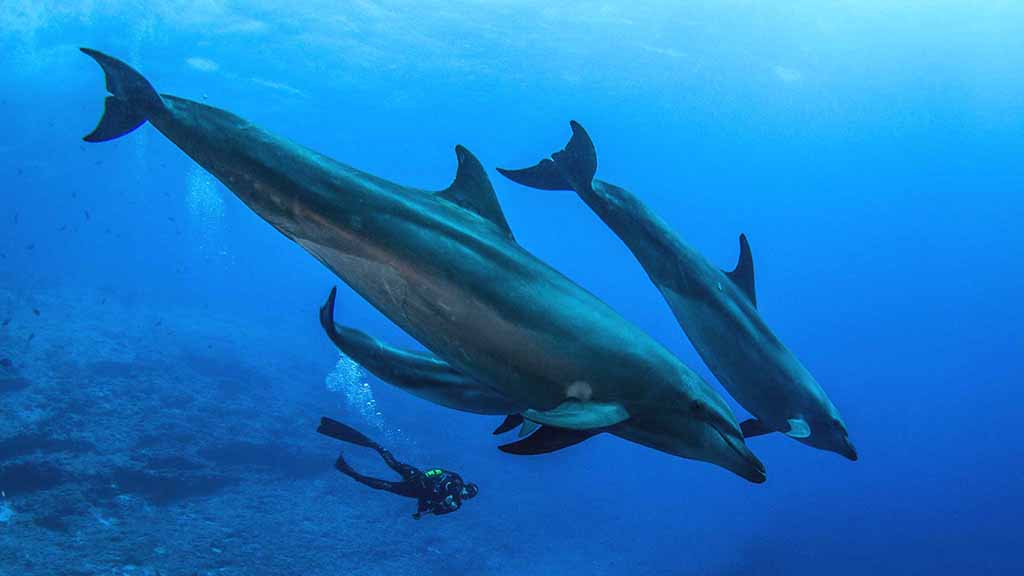
What you’ll see: dolphins, sharks, manta rays, pelagic fish schools
Best for: intermediate to advanced divers comfortable in current
Tikehau Lagoon & Pass
A quieter alternative with exceptional fish density.
What you’ll see: manta rays, reef sharks, dense reef fish populations
Best for: all certified divers

Marquesas Islands — Remote Diving French Polynesia
The Marquesas Islands, particularly Nuku Hiva, offer a more remote and adventurous style of diving in French Polynesia. Signature Dive sites include:
Nuku Hiva Reefs & Drop-offs
Volcanic underwater landscapes with deep water close to shore.
What you’ll see: sharks, rays, tuna, large pelagic species
Best for: advanced divers seeking exploration and less-dived sites
Coral cover is less dominant here, but marine life is abundant, making this region ideal for divers looking for something different within French Polynesia.

Society Islands — Accessible Diving in French Polynesia
The Society Islands — including Moorea, Tahiti and Tahiti Iti — provide the most accessible entry point for scuba diving in French Polynesia. Signature Dive sites include:
Moorea Shark & Ray Sites
Reliable, shallow encounters with iconic marine life.
What you’ll see: blacktip reef sharks, stingrays, reef fish
Best for: beginners to intermediate divers

Tahiti & Tahiti Iti Reefs and Passes
A mix of reef slopes, drop-offs and current-influenced dives.
What you’ll see: reef sharks, turtles, schooling fish, occasional pelagics
Best for: all certified divers
These islands are ideal for combining diving with a broader Polynesian travel experience.

Whale Migration & Seasonal Marine Events
One of the highlights of diving French Polynesia is its seasonal marine life.
Humpback Whale Migration (July–October)
Each year, humpback whales migrate to French Polynesia to breed and give birth.
Most encounters occur while snorkelling rather than diving
Divers may hear whale song underwater or see whales at the surface

Grouper Spawning (Fakarava, June–July)
- One of the most dramatic underwater events globally.
- Thousands of groupers gather to spawn
- Sharks aggregate in large numbers to feed
- Creates intense, action-packed dives
These seasonal events make French Polynesia a standout destination for wildlife-focused divers.

Who Is Diving French Polynesia Best Suited To?
- Intermediate and advanced divers
- Divers comfortable with current and drift diving
- Shark and big animal enthusiasts
- Wide-angle underwater photographers
Beginner divers can enjoy sites in Moorea and Tahiti, but the most iconic dives — particularly in the Tuamotus — require experience.
Best Time for Diving French Polynesia
Scuba diving in French Polynesia is possible year-round, with seasonal variations:
- May to October: best overall conditions, cooler water, excellent visibility
- June to July: peak grouper spawning in Fakarava
- July to October: humpback whale season
- November to April: warmer water, fewer crowds, occasional rain
From the shark-filled passes of Fakarava and Rangiroa to the remote waters of the Marquesas and the accessible reefs of the Society Islands, French Polynesia offers some of the most thrilling scuba diving in the world.


